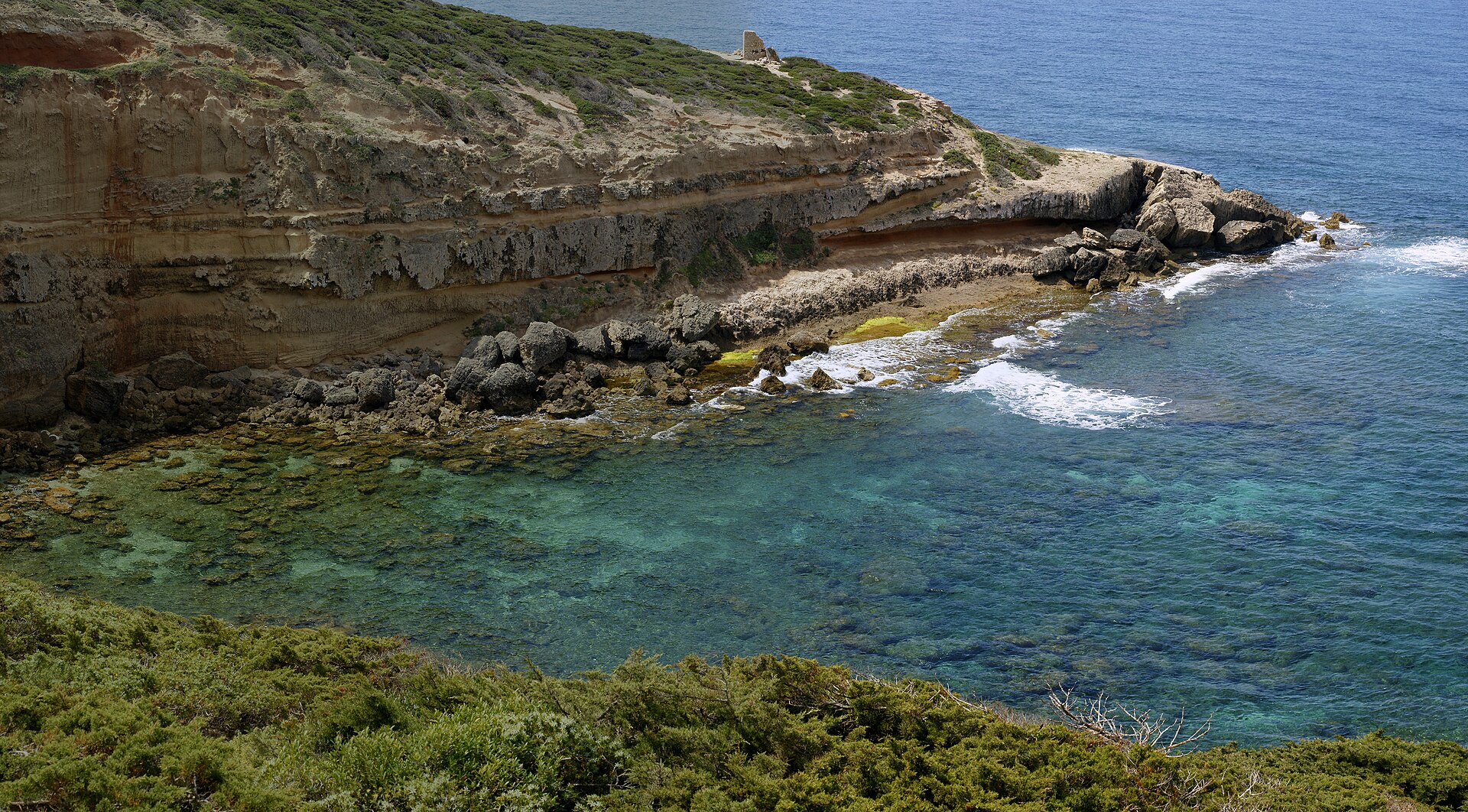
Capo Mannu is one of the most famous surf spots in the Mediterranean and a landmark for wave surfers from all over Europe. The headland is exposed to the north-westerly swells brought by the mistral: when the swell arrives, several spots come alive around the cape, for different levels. Mandriola sits right at the foot of the headland: from the apartments you reach the spots in minutes and can check the sea at a glance before loading your board. For kitesurfing, the reference is nearby Putzu Idu beach.
The spots around Mandriola
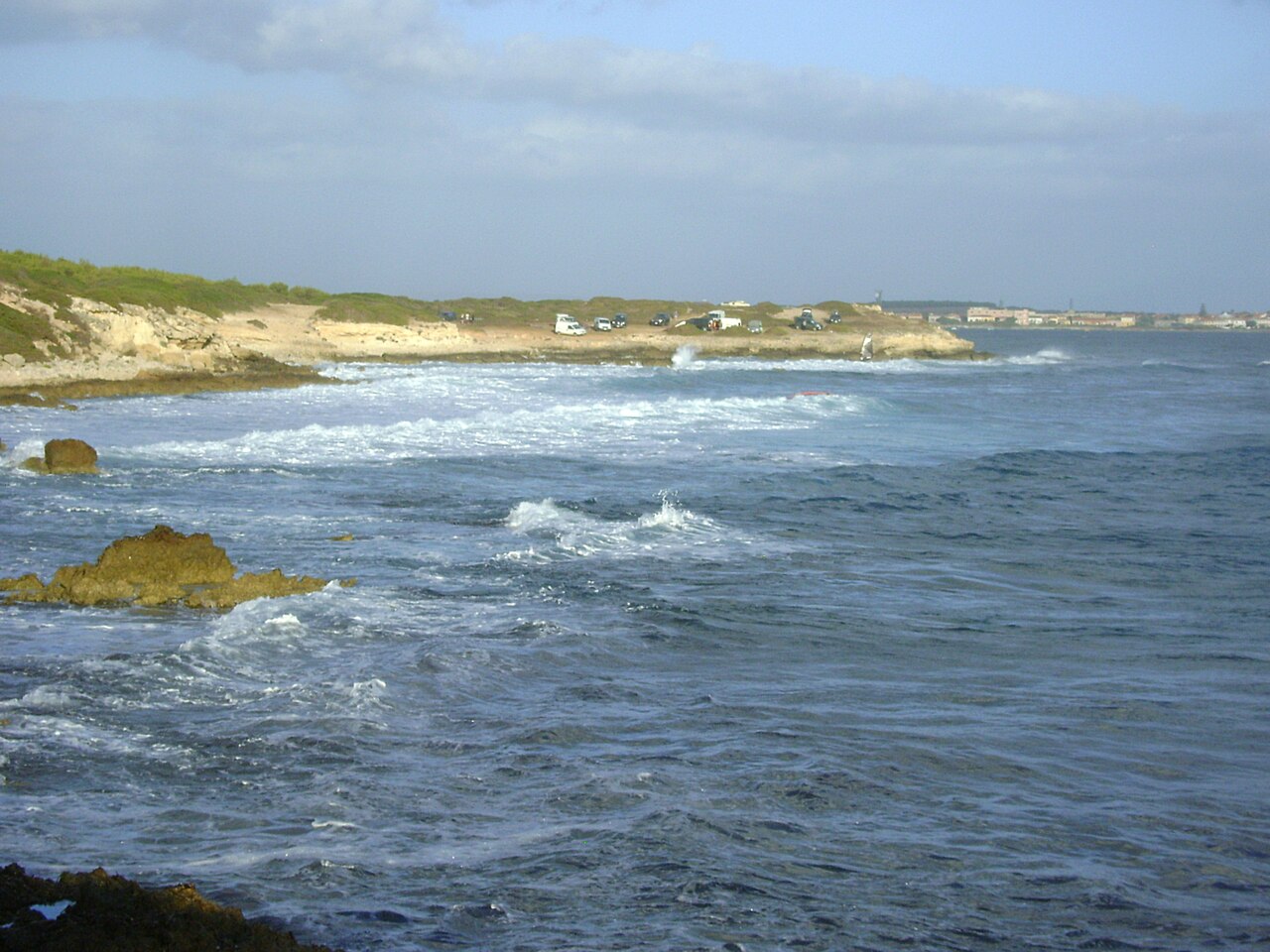
Capo Mannu
Surf · advancedThe main spot: a powerful wave breaking over a rocky reef, at its best with a north-westerly swell. For experienced surfers – respect the line-up and the locals.
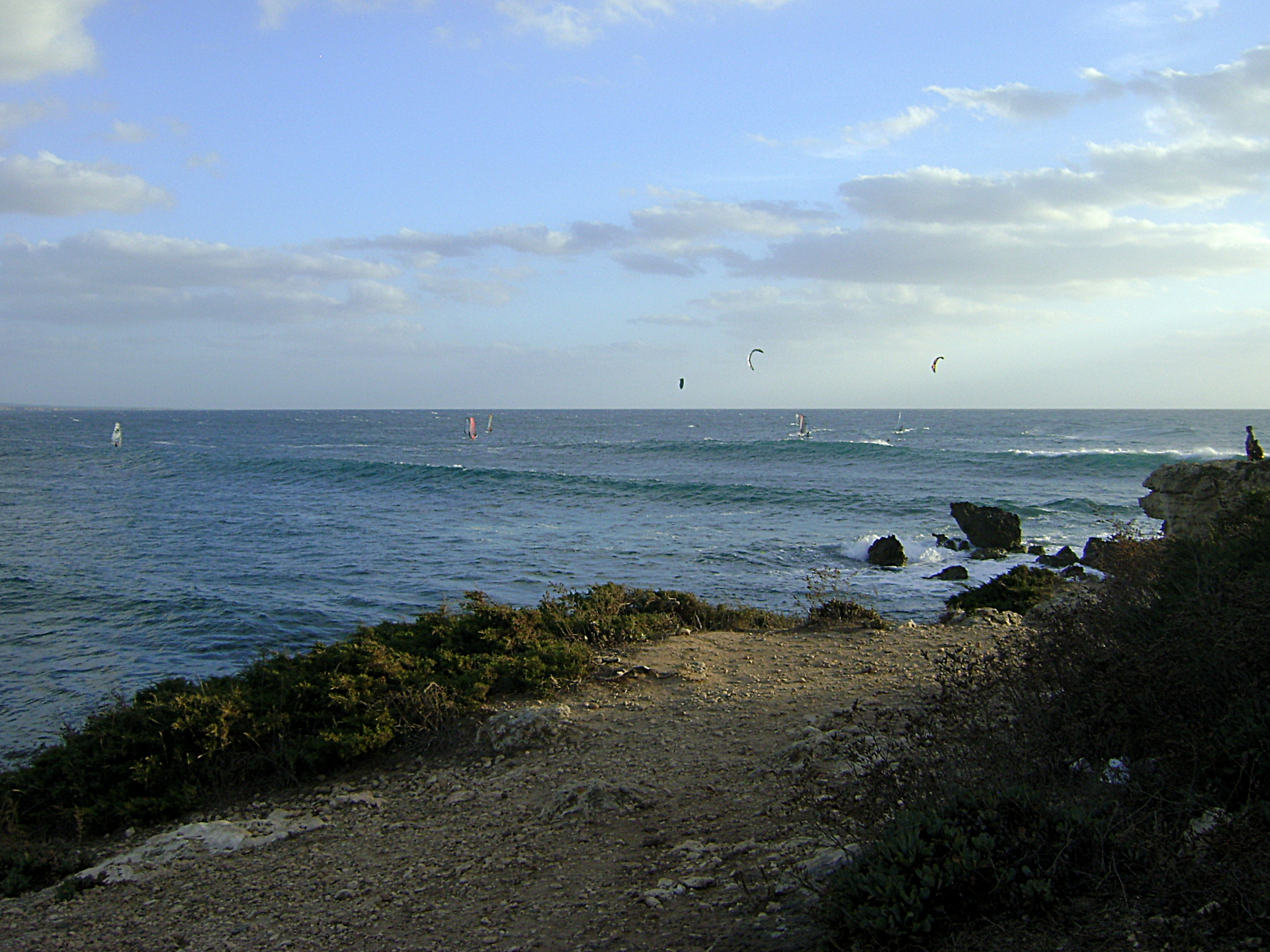
Mini Capo and the cape coast
Surf · intermediateAlong the coast of the headland there are more accessible waves working on the same swells: the right place to progress, or when Capo Mannu is too big.
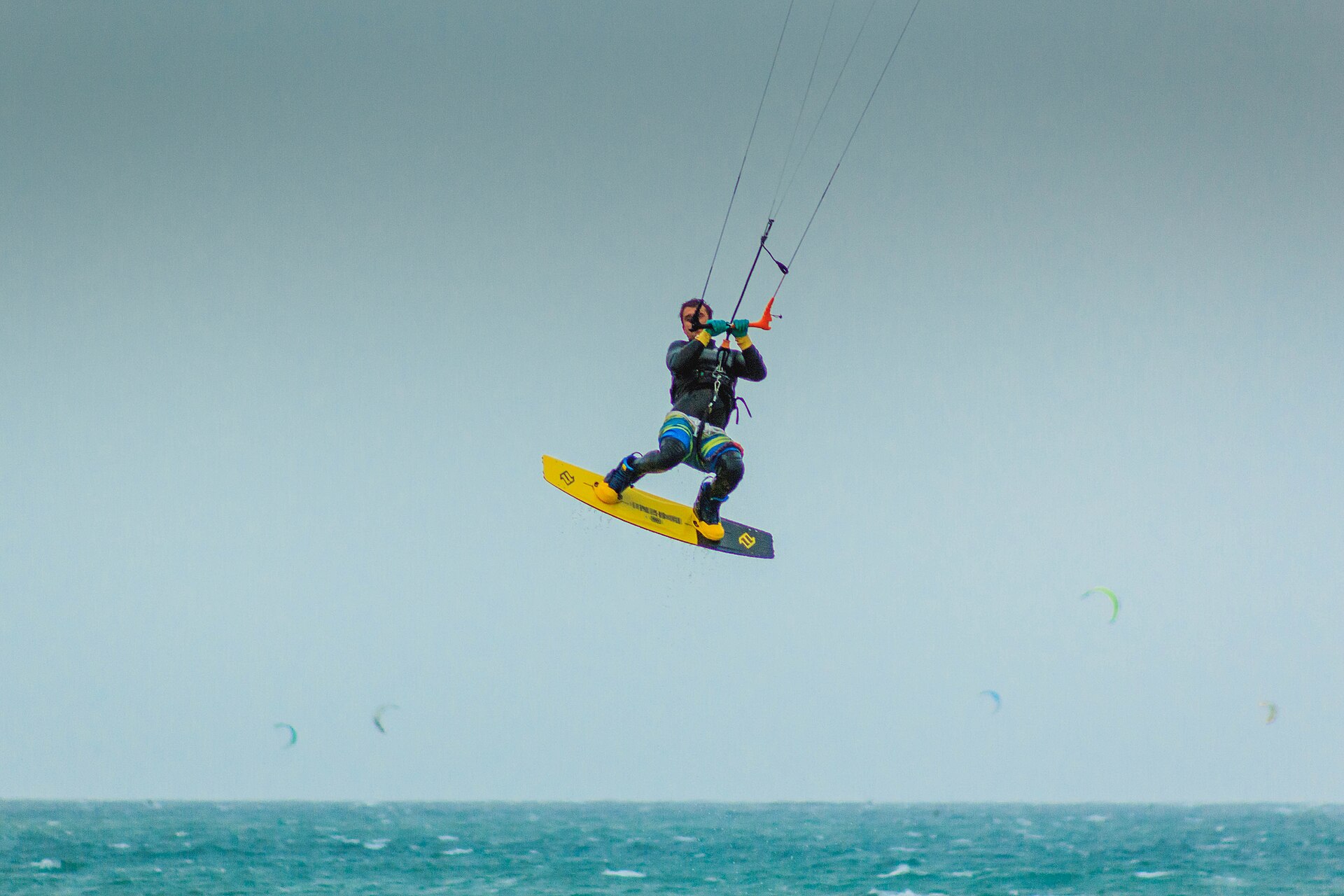
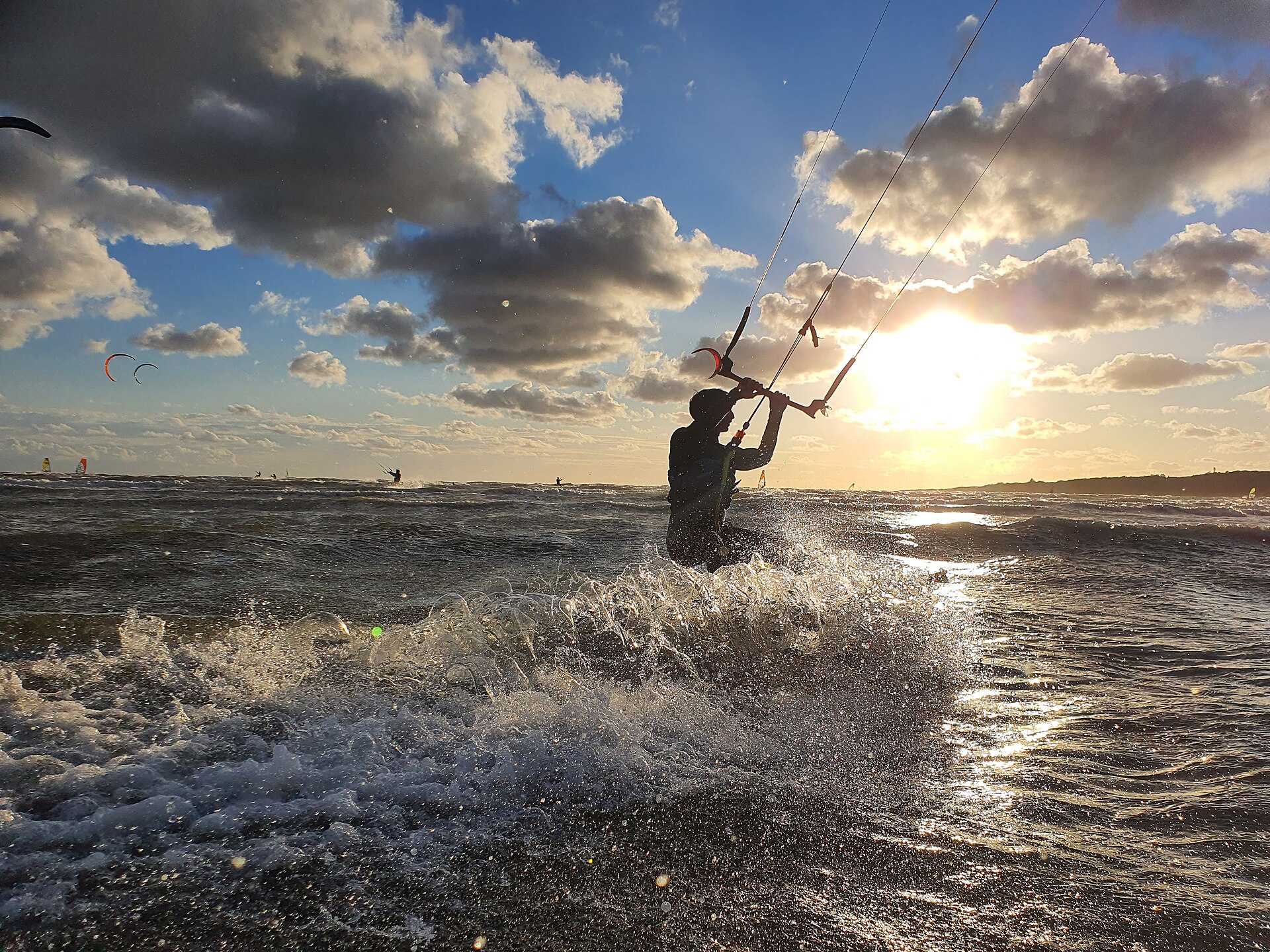
Putzu Idu: the kite spot
Kitesurf · all levelsFor kitesurfing the reference is Putzu Idu beach, right next to Mandriola: wide, sandy and open to the mistral, it's where local kiters meet. On small days it also suits first steps in surfing and SUP; there are schools and rentals in the area.
When to come
- The biggest swells arrive between autumn and spring: the golden season for wave surfing.
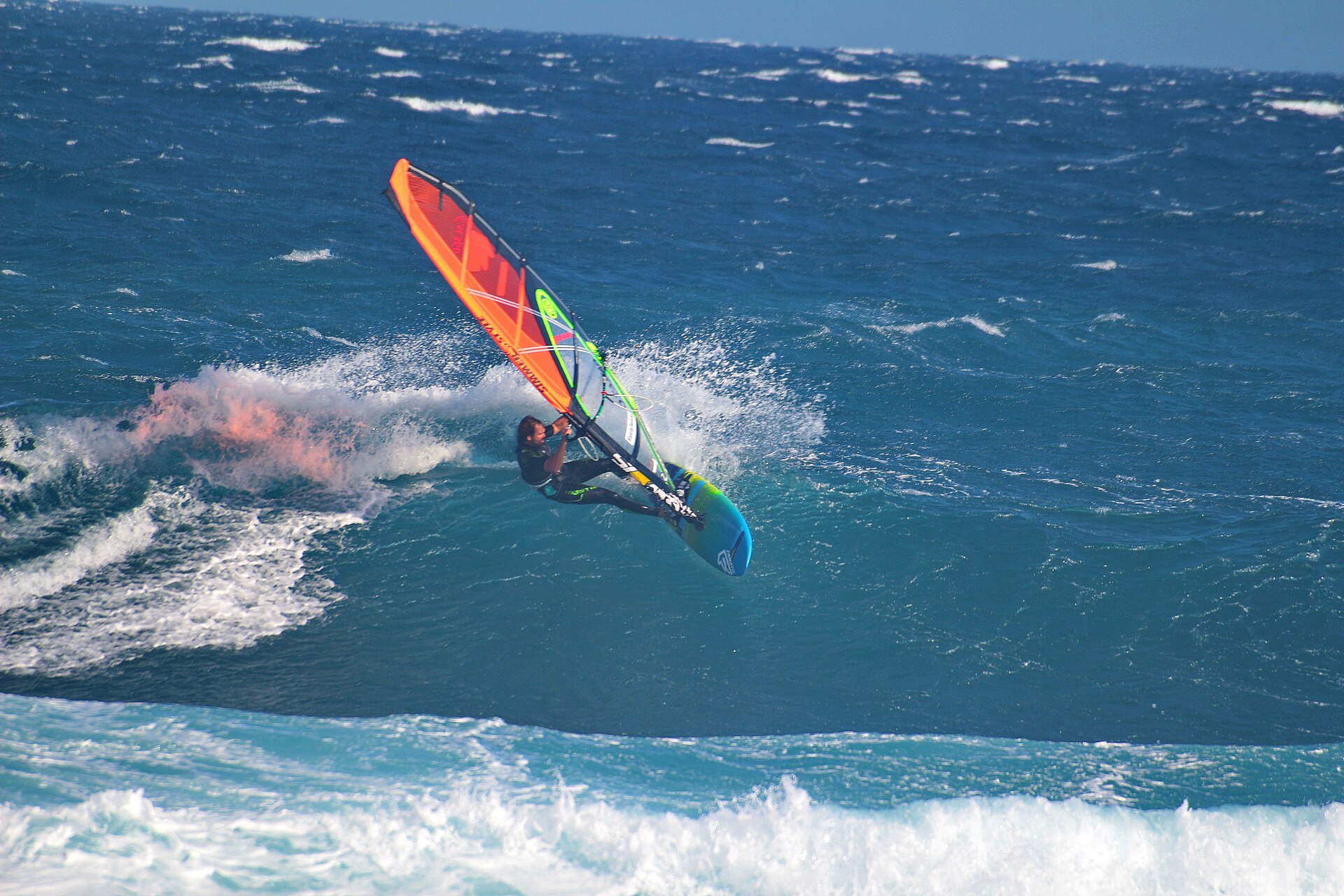
- The mistral (north-westerly wind) drives everything: it brings waves and wind for windsurf and kite.
- In summer the sea is more often calm: ideal for SUP, snorkelling and beginners, with some windy days for kite and windsurf.
Tips
- Always check forecasts and conditions: in big surf Capo Mannu is a demanding spot.
- Part of the coast lies within the Sinis – Mal di Ventre Marine Protected Area: please follow the rules.
- Write to us before booking if you travel with boards or sails: we'll share practical info on storage and spot access.
Foto: Wikimedia Commons – Japs 88 (Capo Mannu), Hans Hillewaert, Jernej Furman, Da.Informator, Windsurf ro (CC BY / CC BY-SA / CC0). Le foto di kite e windsurf sono illustrative.